Claude Venard (1913-1999)
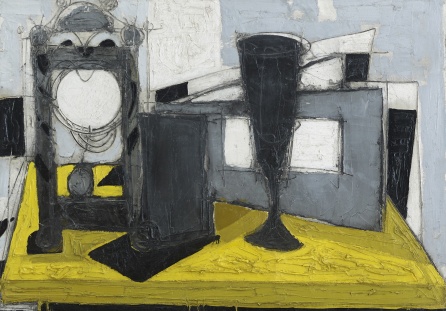
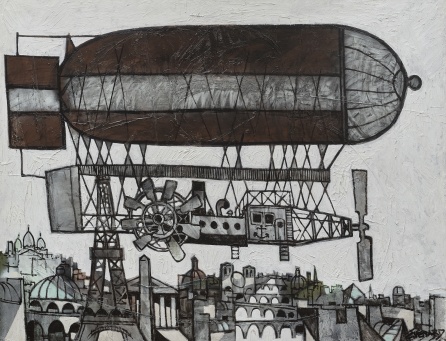
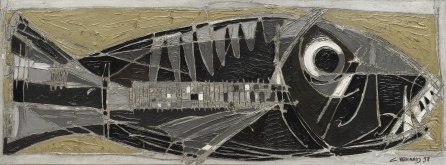
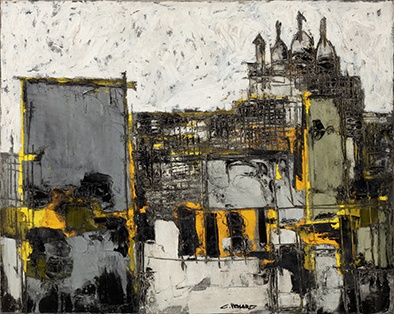
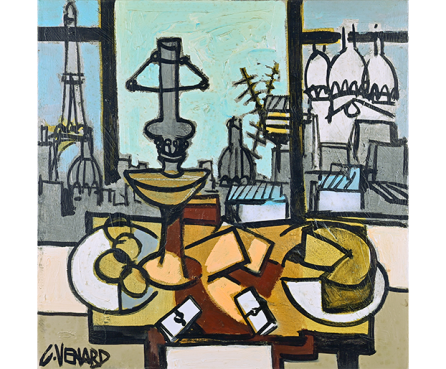
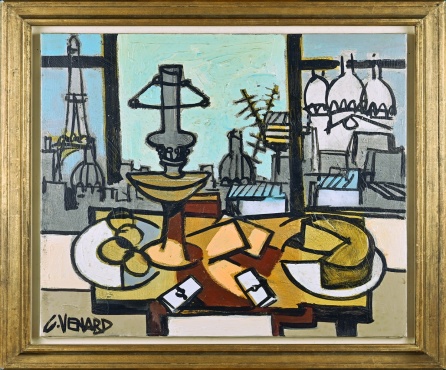
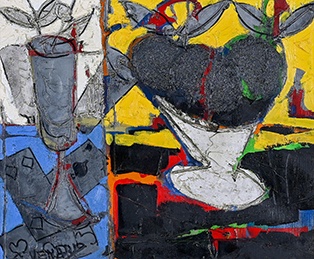
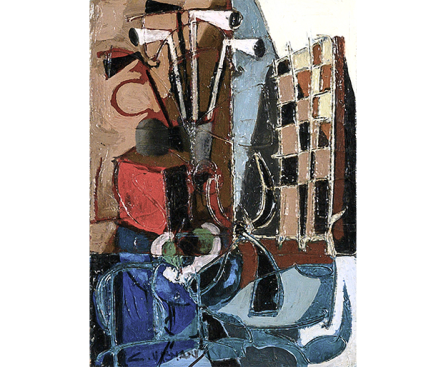
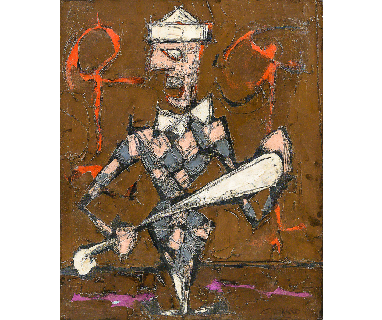
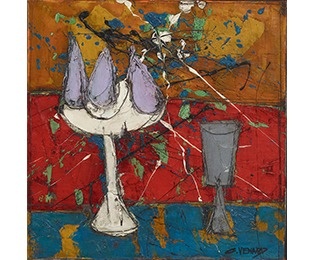
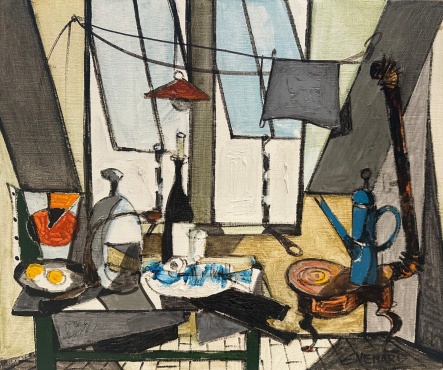
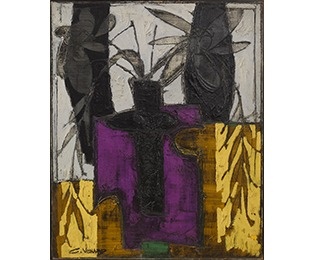
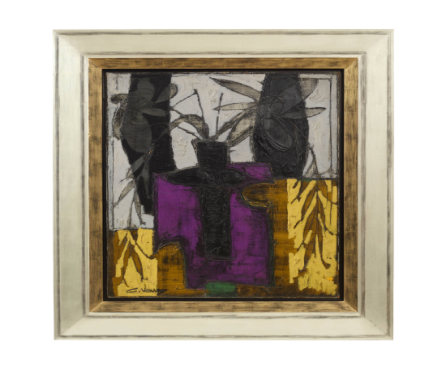
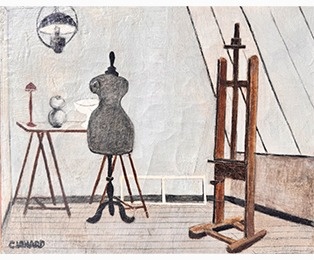
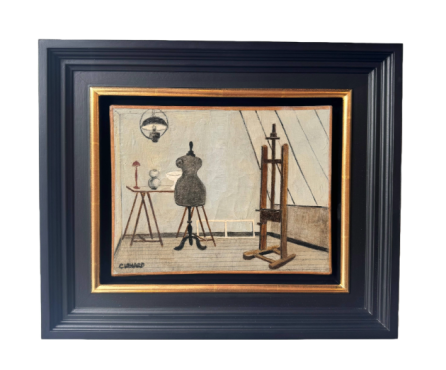
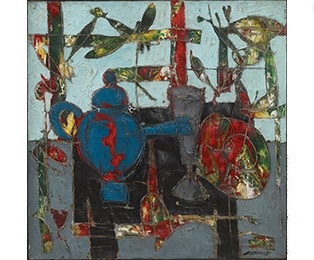
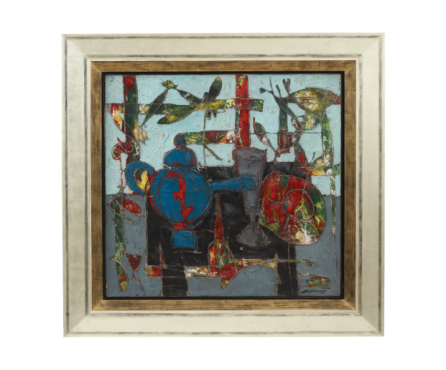
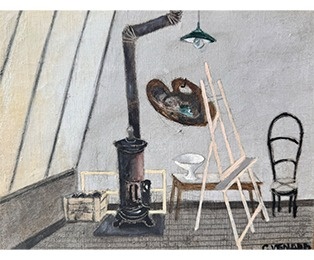
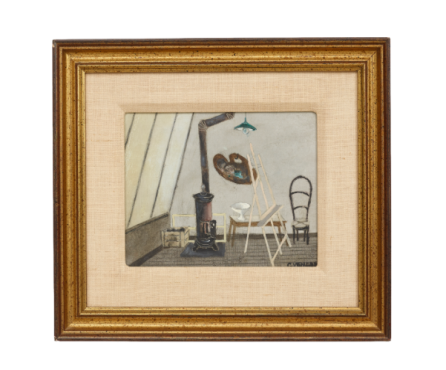
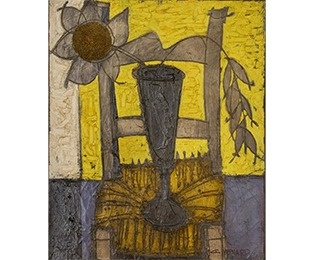
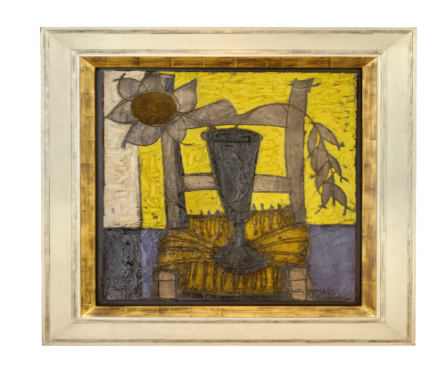
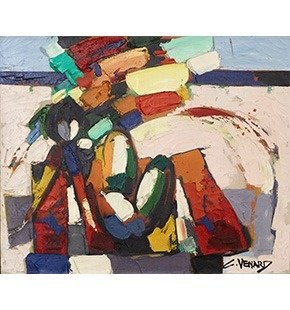
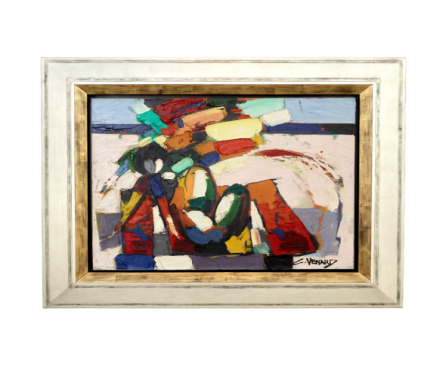
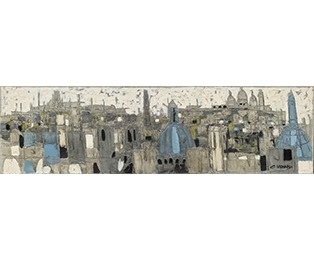
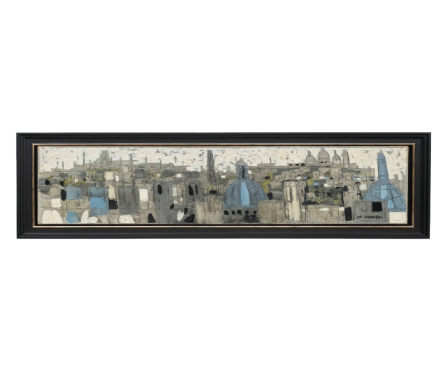
Born in France in 1913, Venard was a post-cubist painter who committed his life to producing still life art that captured the essence of Parisian life during the 1950s. He quickly became known for his rich impasto and varied nature. His bold use of colour, geometric shapes, expressive brushwork, and use of a pallet knife set him apart as a significant figure in the art world.
After dedicating himself to painting at the age of seventeen, Claude Venard studied at the École des Arts Appliqués for six years, after leaving the Académie des Beaux-Arts in just 48 hours. In 1938, he signed the Rupture manifesto and participated in the first exhibition of the influential group Forces Nouvelles, alongside Gruber and Tal-Coat. A close affinity developed among these painters, and together they were instrumental in forging the aesthetic of the post-war period of the École de Paris.
During the 1950s, Paris experienced a cultural renaissance, drawing in artists from around the world. Venard was at the forefront of this, exploring avant-garde techniques and pushing the boundaries of tradition. Inspired by the works of Picasso and Braque, he embraced cubism, a movement that shattered traditional notions of perspective and representation.
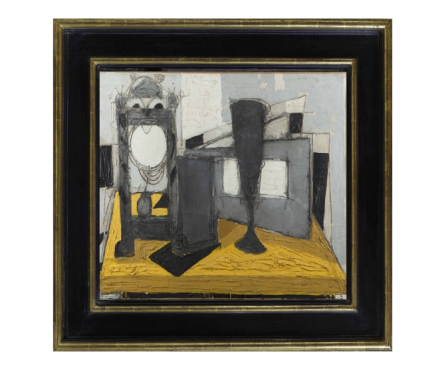
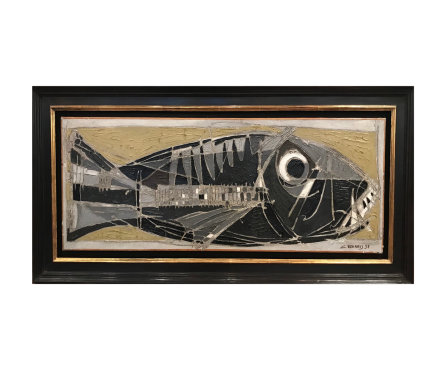
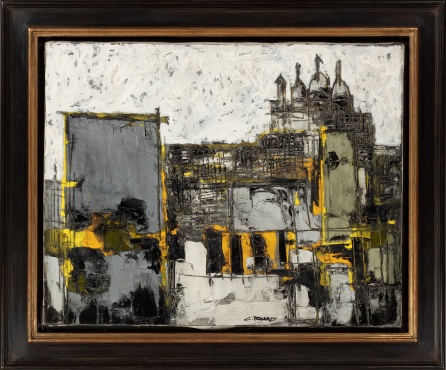
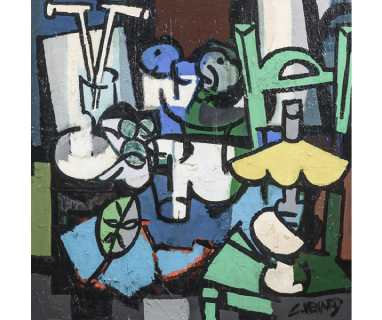
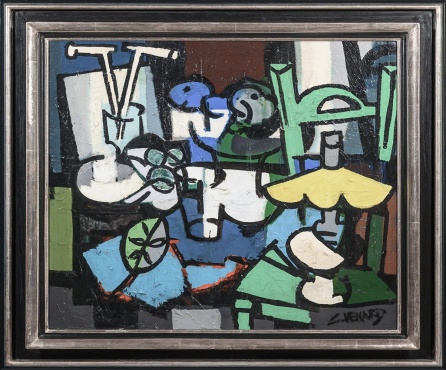
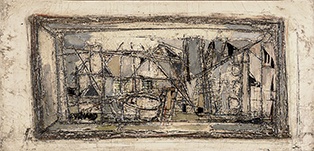
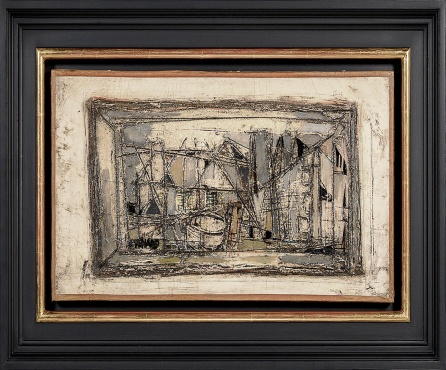
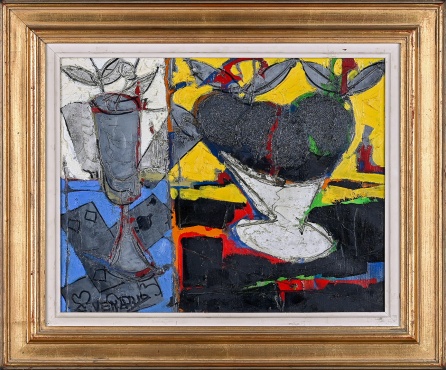
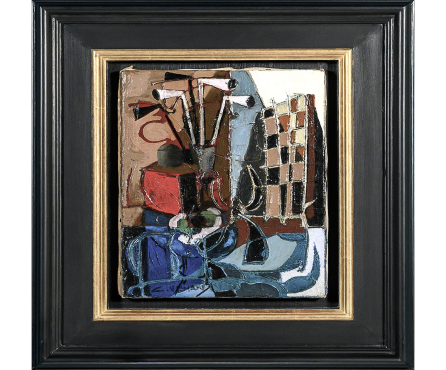
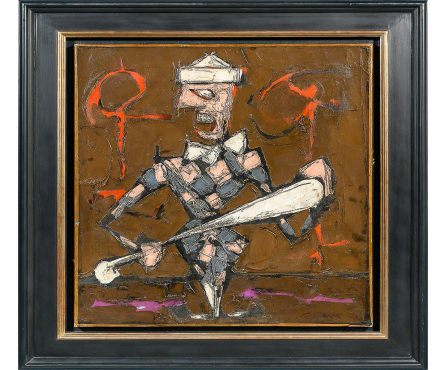
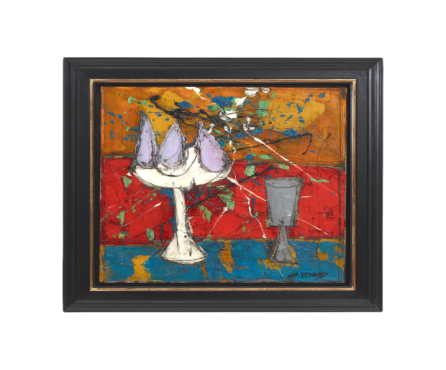
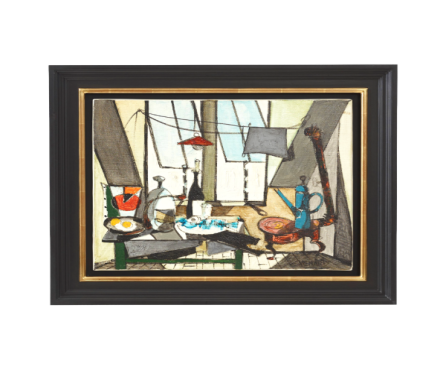
In his post-Cubist works, he incorporated elements of abstraction, creating a unique visual language that blended both styles. His paintings were characterised by bold, vibrant colours, thick brushstrokes, and fragmented geometric forms. Venard’s use of flat planes and sharp angles created a sense of dynamism and energy in his compositions.
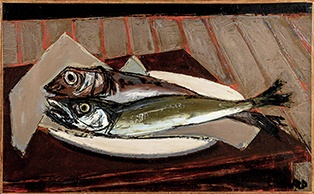
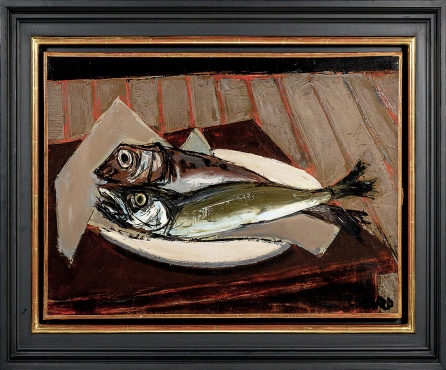
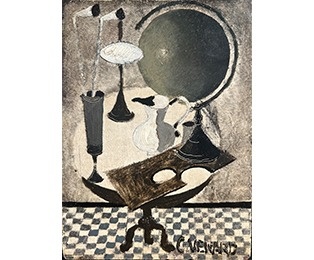
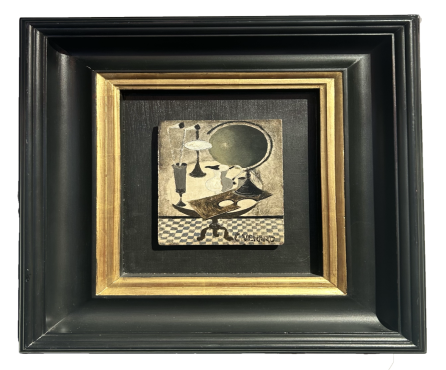
One of his notable series from this period is his still-life paintings. He transformed ordinary objects such as fruits, flowers, and bottles into compositions bursting with colour. His mastery of colour allowed him to create a sense of depth and three-dimensionality on the canvas, despite the fragmented forms. He often depicted scenes of everyday life in Paris, representing the bustling streets, cafes, and markets.
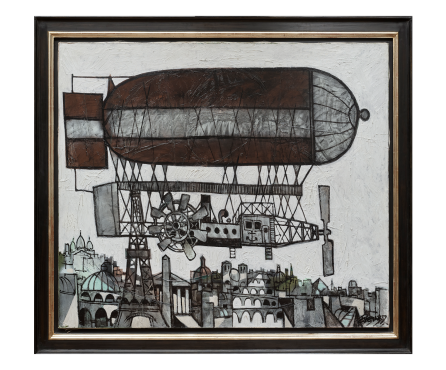
His works often exuded a sense of joie de vivre, celebrating the vibrancy and spirit of the city. Through his art, Venard conveyed the energy and atmosphere of Parisian life during the post-war period. Before his death, he had become a highly celebrated artist. He featured in contemporary art exhibitions around the world, starting in 1935. He also held successful one man shows in nearly all capitals of Europe and expanded his reputation internationally.
Explore our vibrant collection of Claude Venard paintings for sale below or take a look at our wider online catalogue. If you’re looking for more information, be sure to get in touch with our experts.